
High-conductivity copper alloy strip is a core material for charging gun applications because it must carry large currents, manage heat, and keep contact resistance stable. In high-current transmission, the strip is not just a conductor; it is a structural and reliability component that affects safety, temperature rise, and long-term charging performance.
Why High-Conductivity Copper Alloy Strip Matters in Charging Gun Applications
High-current charging gun applications demand a material balance that pure copper often cannot provide alone. The strip must combine conductivity, spring behavior, formability, and thermal stability, especially as DC charging systems move toward higher voltage and higher current levels. The IEA’s Global EV Outlook 2024 notes that public charging could increase sixfold by 2035, which means charging hardware must scale with both volume and power demand.
Charging gun applications also face strict electrical and thermal constraints. IEC 61851-23:2023 covers DC electric vehicle supply equipment up to 1,500 V DC on the vehicle side, while NREL reports that megawatt charging evaluations have reached current levels up to 3,000 A. These figures show why high-current transmission materials need low resistance, stable contact pressure, and strong heat tolerance.
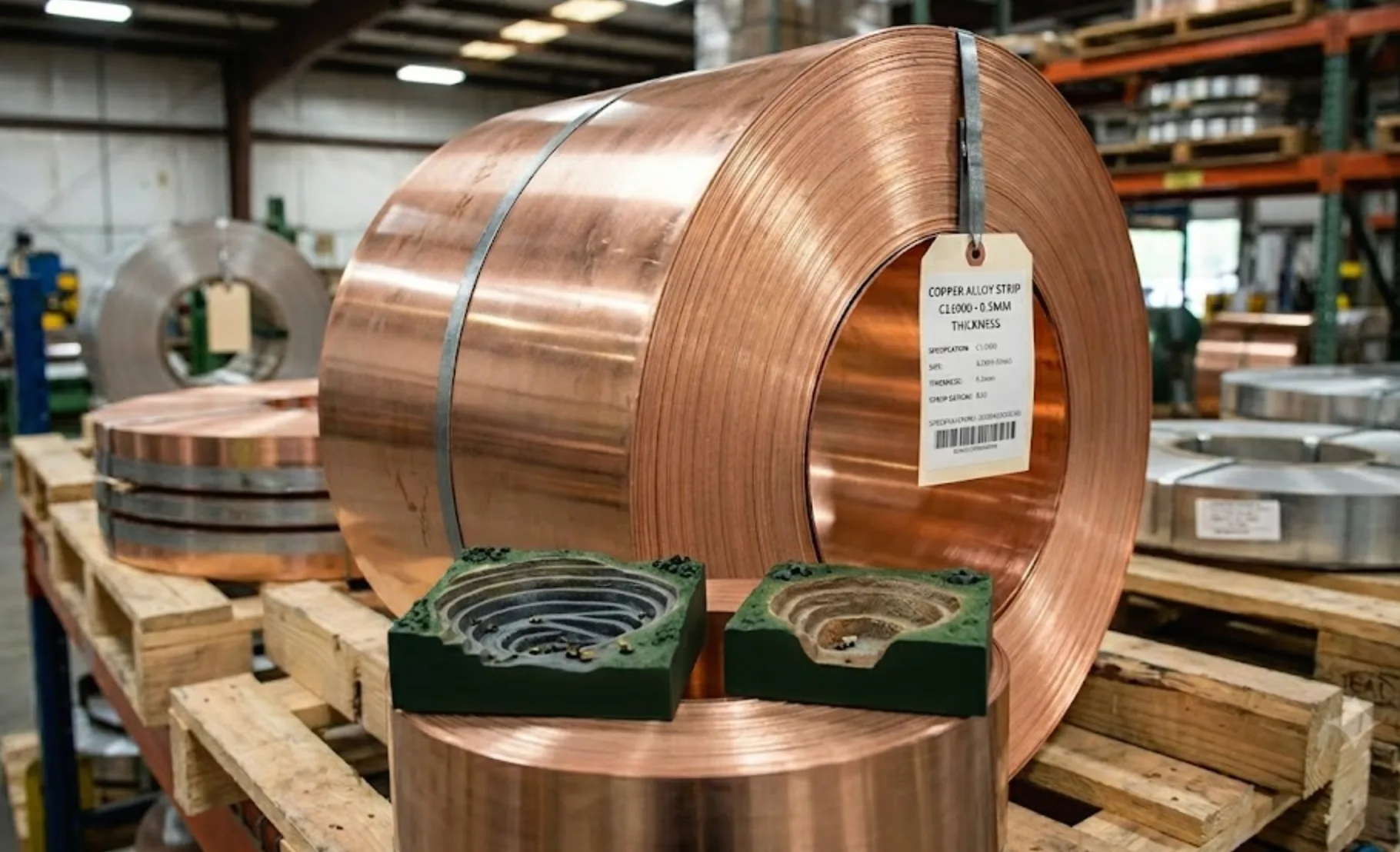
Where the Strip Is Used Inside a Charging Gun
High-conductivity copper alloy strip is typically used in current-carrying and contact-related parts inside the charging gun. The most common functions are conductive terminals, contact springs, internal bus-like connectors, and structural elements that support repeated mating cycles. In these charging gun applications, the strip must preserve geometry after stamping, bending, and assembly.
- Conductive contact pieces for stable current transfer
- Spring elements that maintain contact force
- Internal connectors that reduce resistive losses
- Heat-sensitive parts that need better thermal stability
Boway’s new energy vehicle solutions and precision strip products reflect this application logic: the material must support connectors, charging systems, and other high-reliability electrical parts.
Material Requirements for High-Current Transmission
High-current transmission in a charging gun depends on four material properties working together. Conductivity reduces I²R losses, mechanical strength preserves contact geometry, formability supports precision stamping, and thermal stability limits softening during repeated fast charging. If one property is weak, the entire charging interface can degrade.
| Requirement | Why It Matters | Typical Design Impact |
|---|---|---|
| High conductivity | Reduces voltage drop and heat generation | Improves charging efficiency |
| Stable elasticity | Maintains contact pressure | Supports reliable mating cycles |
| Good formability | Enables stamping and bending | Improves manufacturing consistency |
| Thermal resistance | Limits performance loss under load | Reduces overheating risk |
In practice, engineers choose a high-conductivity copper alloy strip when they need a better balance than standard copper or generic brass. The goal is not maximum conductivity alone, but dependable performance under repeated high-current transmission and frequent plug-in cycles.
How the Strip Improves Charging Gun Performance
High-conductivity copper alloy strip improves charging gun applications by lowering resistive loss at the contact interface. Lower resistance means less heat, and less heat means better safety margins and longer service life. This is especially important in fast-charging environments, where connectors must handle sustained load without excessive temperature rise.
The strip also improves mechanical reliability. Charging guns are exposed to repeated insertion, vibration, and user handling, so the material must resist fatigue and deformation. A well-selected alloy helps maintain spring force and contact alignment, which supports consistent high-current transmission over time. For engineering teams, that consistency is often more valuable than a small cost difference.
Boway’s company profile highlights global manufacturing capacity and long-term material expertise, which are relevant when buyers need stable batch quality and predictable supply for charging gun applications.
Selection Criteria for Engineers and Buyers
Material selection for charging gun applications should start with the end-use current level, thermal target, and expected duty cycle. Engineers should then compare conductivity, yield strength, fatigue life, and processing compatibility. Procurement teams should also evaluate traceability, delivery stability, and the supplier’s ability to support custom specifications.
- Define the maximum current and voltage range.
- Set temperature-rise and contact-resistance targets.
- Check stamping, bending, and plating compatibility.
- Verify batch consistency and traceability.
- Confirm supply continuity across regions.
Boway’s semiconductor materials and home page also show how its precision-strip platform is organized around high-reliability industrial use cases. That matters because the same manufacturing discipline used for semiconductor and precision applications often supports tighter tolerances in charging hardware.
Common Failure Risks in High-Current Charging Gun Applications
High-current transmission failures usually begin with heat, wear, or inconsistent contact pressure. If the strip loses elasticity, contact resistance rises and local heating accelerates. If the material is difficult to process, dimensional variation can create uneven contact force and unstable performance.
Another risk is supply inconsistency. In B2B charging hardware, a material that performs well in one batch but drifts in the next can disrupt validation and field reliability. That is why traceability and reproducibility matter as much as raw conductivity. For high-volume charging gun applications, the material system must be auditable, repeatable, and easy to qualify.
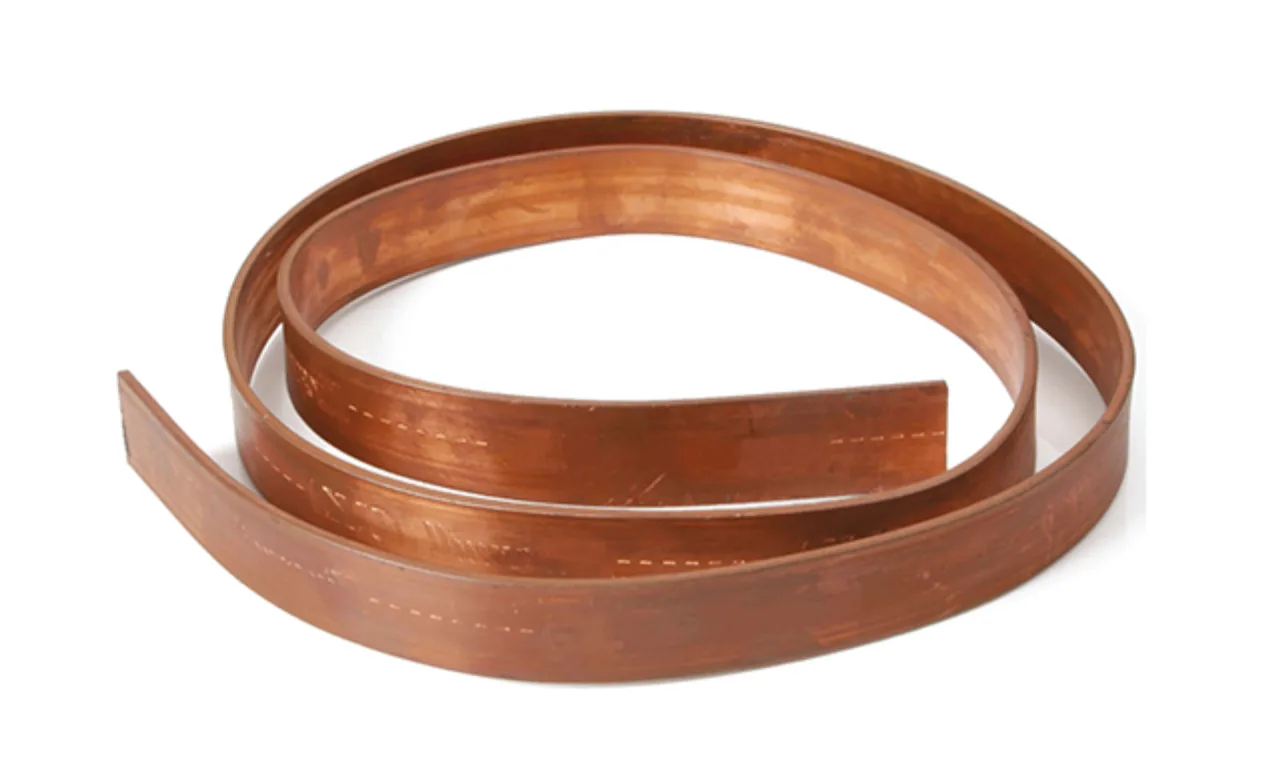
Application Summary for Charging Gun Applications
High-conductivity copper alloy strip is used in charging gun applications to carry current, stabilize contact force, and reduce heat under demanding operating conditions. In high-current transmission, it helps engineers achieve a better balance of conductivity, mechanical durability, and manufacturability than standard copper-only solutions.
As EV charging power levels rise, the material role becomes more important, not less. Standards and test programs already reflect higher voltage and current requirements, and the next generation of charging hardware will need materials that can support both safety and efficiency. For that reason, high-conductivity copper alloy strip is becoming a foundational material in charging gun design.
FAQ
1. What is high-conductivity copper alloy strip used for in charging gun applications?
It is used in conductive and spring-related parts that carry current, maintain contact pressure, and support thermal stability. In charging gun applications, the strip helps reduce resistive loss and improves long-term reliability. It is especially valuable when the design must balance conductivity with strength and formability.
2. Why not use pure copper for high-current transmission?
Pure copper offers excellent conductivity, but it may not provide the mechanical strength or spring performance needed in charging gun applications. A copper alloy strip can preserve shape, resist fatigue, and still deliver strong electrical performance. That balance is often more practical for repeated plug-in cycles.
3. What matters most when selecting a strip for fast charging hardware?
The main factors are conductivity, contact stability, thermal resistance, and processing consistency. For high-current transmission, the material must also work well with stamping, bending, and surface finishing. Buyers should also verify traceability and batch repeatability before moving to mass production.
4. How does the strip affect charging safety?
By lowering resistance and maintaining stable contact force, the strip helps control heat generation at the interface. Less heat means a lower risk of softening, oxidation, or contact degradation. In charging gun applications, that directly supports safer operation and more predictable performance.
5. What should procurement teams ask suppliers?
They should ask about conductivity range, mechanical properties, thickness tolerance, traceability, and delivery stability. For high-current transmission parts, it is also important to confirm customization capability and cross-region supply support. These factors often matter more than price alone in high-reliability programs.