
Ultra-thin thermal alloy material helps dense 6G device stacks move heat away from hot spots while preserving structural stability. In compact modules, the best results come from balancing thermal conductivity, thickness control, and warpage resistance.
Why Ultra-Thin Thermal Alloy Material Matters in Dense 6G Device Stacks
Dense 6G device stacks create localized heat because power devices, antennas, filters, and control chips sit close together. When spacing is tight, heat cannot spread naturally, so the material stack must act as a controlled thermal path.
Ultra-thin thermal alloy material is designed for this exact problem. It combines thin-gauge formability with heat-spreading performance, which helps reduce temperature gradients across layered assemblies. That matters because thermal stress can shift signal stability, shorten component life, and increase package deformation.
The need is growing as device density rises. The International Energy Agency reported that global electricity demand from data centers, AI, and cryptocurrency could double by 2026, highlighting the broader pressure on thermal design across advanced electronics. In parallel, 5G-Advanced and early 6G research are pushing higher integration and tighter packaging, which makes thermal management more critical.
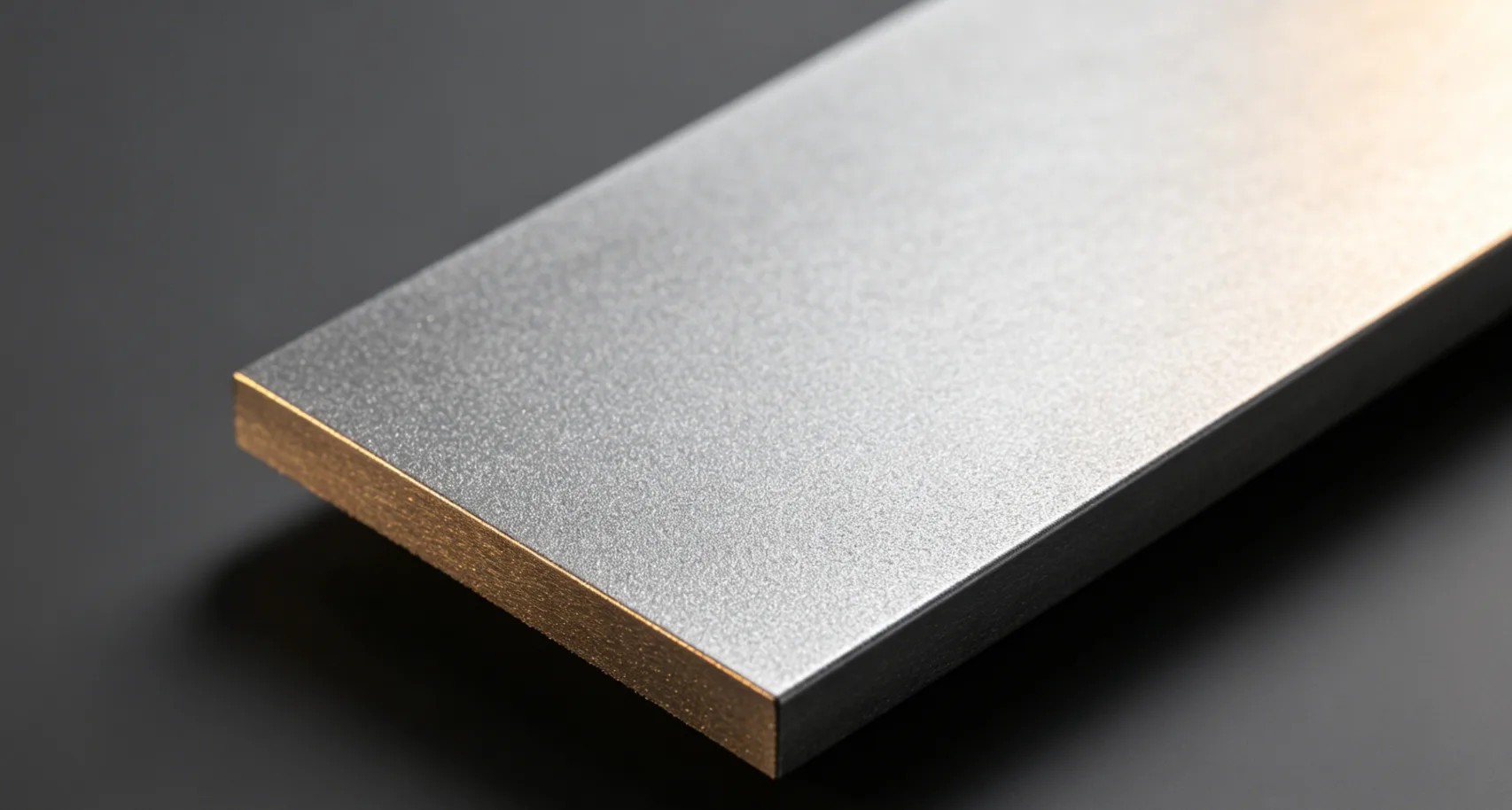
How Ultra-Thin Thermal Alloy Material Moves Heat
Heat dissipation starts with conduction, then continues through spreading and transfer to a larger sink. In a dense 6G stack, ultra-thin thermal alloy material works as a lateral heat spreader and a vertical bridge between heat sources and cooling structures.
The mechanism is straightforward. A high-conductivity alloy layer absorbs heat from a chip or module interface, spreads it across a wider area, and passes it into a frame, shield, or heat sink. Because the layer is thin, thermal resistance stays low and the assembly can remain compact.
| Thermal function | What it does in a 6G stack | Why it matters |
|---|---|---|
| Heat conduction | Moves heat away from the source | Reduces local hot spots |
| Heat spreading | Distributes heat across a wider area | Limits temperature gradients |
| Mechanical support | Maintains flatness and alignment | Helps prevent warpage |
For a broader material overview, engineers often compare precision non-ferrous alloy strip options by conductivity, thickness tolerance, and forming behavior. That comparison is especially useful when the thermal layer must also survive stamping, etching, or lamination.
What Makes Thin-Gauge Thermal Alloys Different from Conventional Metals
Thin-gauge thermal alloys differ from standard metals because they are engineered for both thermal performance and dimensional stability. In dense electronics cooling, a material that conducts heat well but warps easily can create new reliability problems.
That trade-off is why alloy design matters. A well-balanced composition can improve heat transfer while keeping enough strength for micro-formed parts, bonded layers, and precision frames. In practice, this means the material must support both thermal and manufacturing requirements.
- High thermal conductivity supports faster heat flow.
- Controlled thickness improves package consistency.
- Stable mechanical properties reduce deformation during assembly.
- Good process compatibility supports stamping and etching.
According to the Semiconductor Industry Association, the global semiconductor market reached $526.8 billion in 2023, and the industry continues to invest in advanced packaging and thermal reliability. That growth reinforces the need for materials that can handle tighter footprints and higher power density.
Where Ultra-Thin Thermal Alloy Material Fits in 6G Hardware
Ultra-thin thermal alloy material is most useful in modules where heat, signal integrity, and space constraints overlap. Typical use cases include RF front-end modules, antenna modules, power management layers, and compact shielding structures.
In these assemblies, the material may sit between a heat source and a spreader, or it may form part of a structural frame that also carries thermal load. The best choice depends on the package architecture, target operating temperature, and allowable thickness.
| 6G component | Thermal challenge | Material role |
|---|---|---|
| RF module | High localized heat | Spread heat laterally |
| Antenna stack | Limited vertical space | Keep profile thin |
| Power circuit layer | Thermal cycling stress | Improve stability |
For teams evaluating 6G communication thermal materials, the key question is not only conductivity. It is also whether the alloy can preserve flatness, support fine features, and remain reliable under repeated thermal cycling.
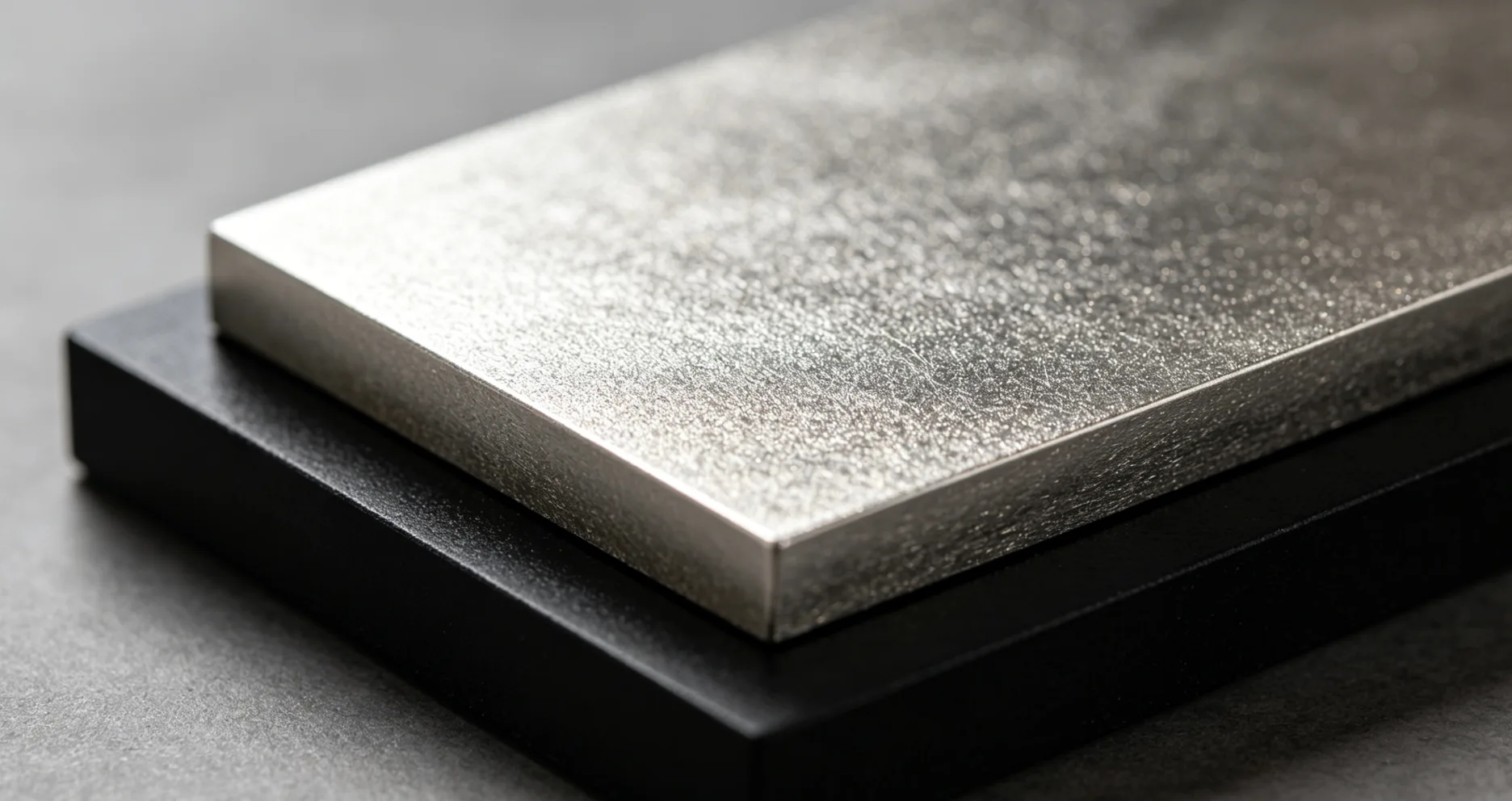
How Dense Electronics Cooling Benefits from Alloy Thickness Control
Thickness control is one of the most important factors in dense electronics cooling. A thin material layer reduces thermal resistance, but only if it remains uniform across the full part.
Uneven thickness can create uneven heat flow. That leads to hot spots, local stress, and inconsistent contact pressure. In high-density stacks, even small deviations can affect assembly yield and long-term reliability.That is why precision strip production matters. The material must be consistent enough for high-volume manufacturing and flexible enough for custom thermal architectures. In many programs, engineers also look for traceability, because thermal failures are often difficult to diagnose after assembly.
The IEA tracking report notes that advanced energy and electronics systems increasingly depend on efficient thermal design to support performance and reliability. While the report is broader than 6G hardware, the same engineering principle applies: better thermal paths improve system stability.
Design Factors Engineers Should Evaluate
The best ultra-thin thermal alloy material is selected by application, not by name alone. Engineers should evaluate thermal conductivity, yield strength, flatness, surface quality, and compatibility with downstream processing.
A practical selection process usually starts with the package stack-up. Then teams compare the thermal target, thickness limit, bonding method, and expected operating environment. That approach reduces the risk of choosing a material that performs well in lab tests but fails in production.
- Define the heat source and allowable temperature rise.
- Set the maximum thickness and flatness tolerance.
- Check stamping, etching, or bonding compatibility.
- Verify traceability and batch consistency requirements.
For manufacturers that need application-specific options, high-conductivity alloy strip can be evaluated alongside structural and process requirements. That is often the most reliable way to match material behavior to dense 6G device stacks.
Why Reliability and Traceability Matter as Much as Thermal Performance
Reliability is the second half of thermal design. A material that dissipates heat well but varies from batch to batch can still create field failures.
In high-end electronics, traceability supports root-cause analysis, supplier audits, and quality control. It also helps engineering teams reproduce successful builds when a design moves from prototype to mass production. For global programs, this is especially important because regional manufacturing sites often need the same material behavior.
That is where digitally managed alloy production becomes valuable. When a supplier can document material history, process control, and lot consistency, the customer gains more than a component. The customer gains a repeatable thermal solution.For more detail on application-specific structures, see ultra-thin heat-spreading alloy solutions that are built for compact electronic assemblies.
Conclusion
Ultra-thin thermal alloy material dissipates heat in dense 6G device stacks by combining conduction, spreading, and structural stability in a compact form. Its value is highest when thermal performance, thickness control, and manufacturing consistency must work together.As 6G hardware becomes denser, materials will matter as much as circuit design. The most effective solutions will be those that help engineers control temperature, protect signal performance, and maintain reliable production at scale.
FAQ
What is ultra-thin thermal alloy material used for in 6G devices?
Ultra-thin thermal alloy material is used to move heat away from compact components in 6G modules. It can serve as a heat spreader, structural layer, or interface material. Its main purpose is to reduce hot spots while keeping the stack thin and mechanically stable.
Why is thickness control important in dense electronics cooling?
Thickness control is important because uneven layers create uneven heat flow and contact pressure. In dense electronics cooling, even small variations can increase thermal resistance, cause warpage, and reduce assembly yield. Uniform thickness helps engineers achieve predictable thermal and mechanical performance.
How does an alloy layer improve heat dissipation compared with a simple metal foil?
An engineered alloy layer can combine thermal conductivity with better strength, flatness, and process compatibility. A simple foil may conduct heat, but it may not hold shape well under stress. In advanced stacks, that balance is often more important than conductivity alone.
What should engineers check before choosing a thermal alloy for 6G stacks?
Engineers should check conductivity, thickness tolerance, flatness, surface quality, and compatibility with bonding or stamping. They should also confirm batch consistency and traceability. These factors help ensure the material performs reliably in both prototype builds and high-volume production.
Why does traceability matter for thermal materials in electronics?
Traceability matters because thermal failures are often linked to hidden variation in material properties or processing history. A traceable material system helps quality teams audit lots, reproduce results, and isolate root causes. That is especially valuable in global manufacturing programs with strict reliability targets.