
How Does a High-Thermal-Conductivity Alloy Strip Enable Heat Spreading in High-Frequency Devices?
A high-thermal-conductivity alloy strip improves heat spreading by moving localized heat away from hot spots before performance drops. In high-frequency communication devices, that thermal path helps stabilize signal integrity, reduce warpage, and support thinner, more compact designs.
Why Heat Spreading Matters in High-Frequency Communication Devices
Heat spreading is a packaging problem as much as a materials problem. High-frequency communication devices increasingly combine higher power density, tighter layouts, and thinner structures, which makes local overheating more likely. Industry research on 6G materials and structures highlights that low-loss and thermal solutions are becoming essential as devices move toward higher frequencies and more power-hungry architectures, with market opportunity tied to solving thermal constraints in next-generation systems. Business Wire’s report on 6G thermal materials and Boway’s precision alloy strip platform both reflect this shift toward thermal-aware material design.
Heat spreading is also a reliability issue. When a device runs hot, thermal gradients can distort the package, stress solder joints, and change the electrical behavior of nearby components. A 2024 IEEE packaging tutorial notes that substrate materials are critical to package performance and reliability, while a recent Nature paper explains that conventional packaging often creates high thermal resistance between the chip and coolant. IEEE IRDS packaging tutorial and Nature’s 2024 thermal packaging study both support the same conclusion: better thermal paths are now a core design requirement.
How a High-Thermal-Conductivity Alloy Strip Works
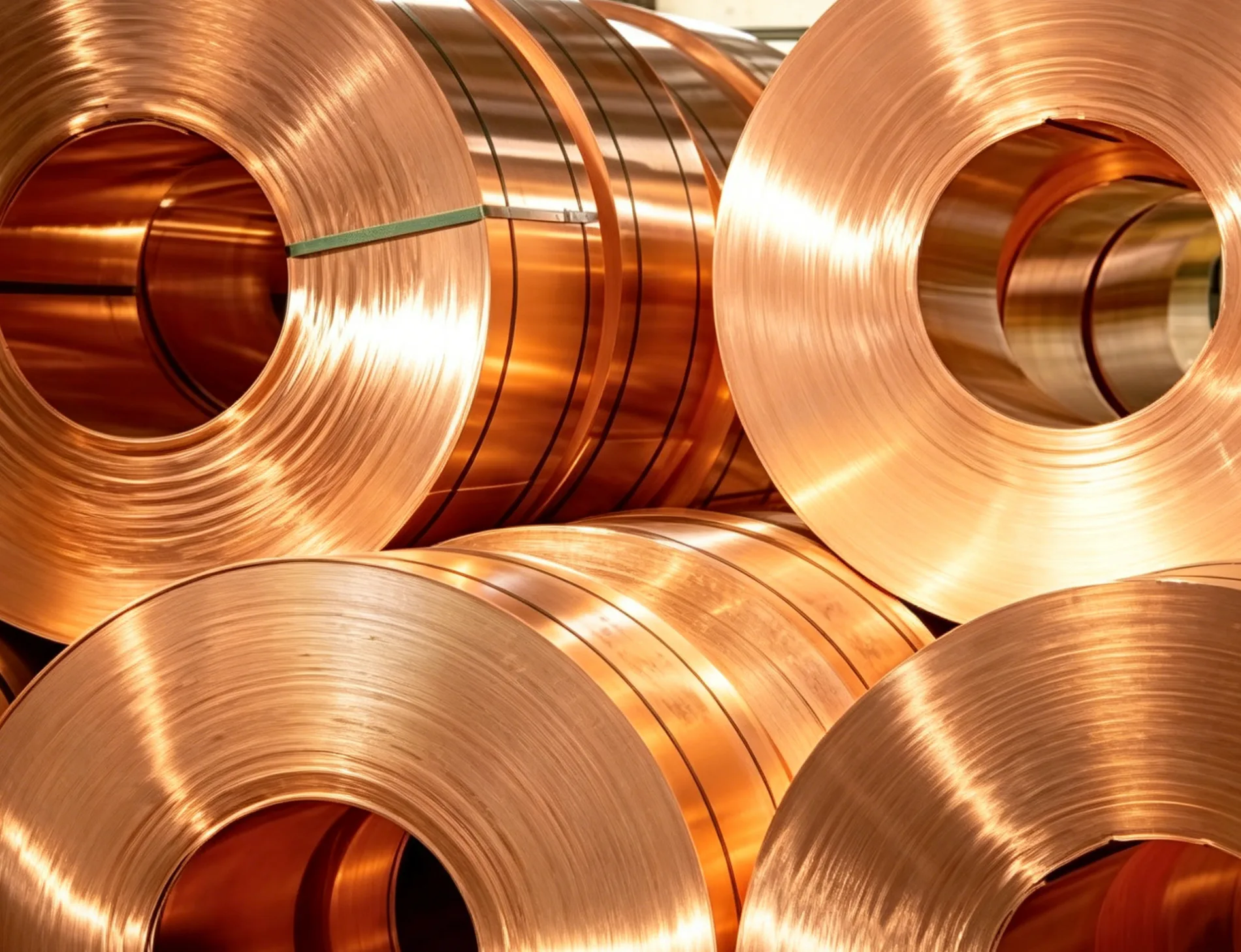
A high-thermal-conductivity alloy strip spreads heat by combining a continuous metal path with stable geometry and controlled thickness. In practice, the strip acts as a lateral heat spreader that pulls heat away from a concentrated source and distributes it across a larger area. That lowers peak temperature, reduces thermal stress, and gives the system more time to dissipate heat through the housing or adjacent layers.
The mechanism depends on three material traits. First, high thermal conductivity supports fast in-plane heat transfer. Second, good dimensional precision keeps contact resistance low and improves assembly consistency. Third, mechanical stability helps the strip retain flatness under thermal cycling. Boway’s precision strips are designed around this type of controlled, industrial-grade performance, which is important when the thermal layer must also fit tight electronic tolerances.
| Material function | What it does | Why it matters in high-frequency devices |
|---|---|---|
| In-plane heat conduction | Moves heat sideways across the strip | Reduces hot spots near RF modules and power sections |
| Dimensional control | Keeps thickness and flatness stable | Improves assembly fit and lowers interface resistance |
| Mechanical stability | Resists warpage during thermal cycling | Protects package reliability and signal consistency |
Where the Alloy Strip Fits in High-Frequency Device Architecture
The strip is most effective when placed close to the heat source. In high-frequency communication devices, that often means near RF power stages, antenna modules, front-end components, or compact thermal frames. The closer the strip sits to the source, the shorter the thermal path and the faster the heat can spread into a broader structure.
That placement matters because high-frequency systems are usually limited by space. A thinner device leaves less room for bulky heat sinks, so the thermal layer must do more with less thickness. Boway’s semiconductor materials and new energy vehicle solutions show the same engineering logic used across advanced electronics: stable materials, precise processing, and reliable performance under demanding conditions. In communication hardware, the same logic supports compact thermal management.
For engineering teams, the key question is not only conductivity. It is the balance between conductivity, formability, strength, and process compatibility. A strip that conducts heat well but deforms during stamping or bonding can create new reliability risks. That is why material selection should always consider the full device stack, not just one headline property.
Key Performance Factors for Heat Spreading
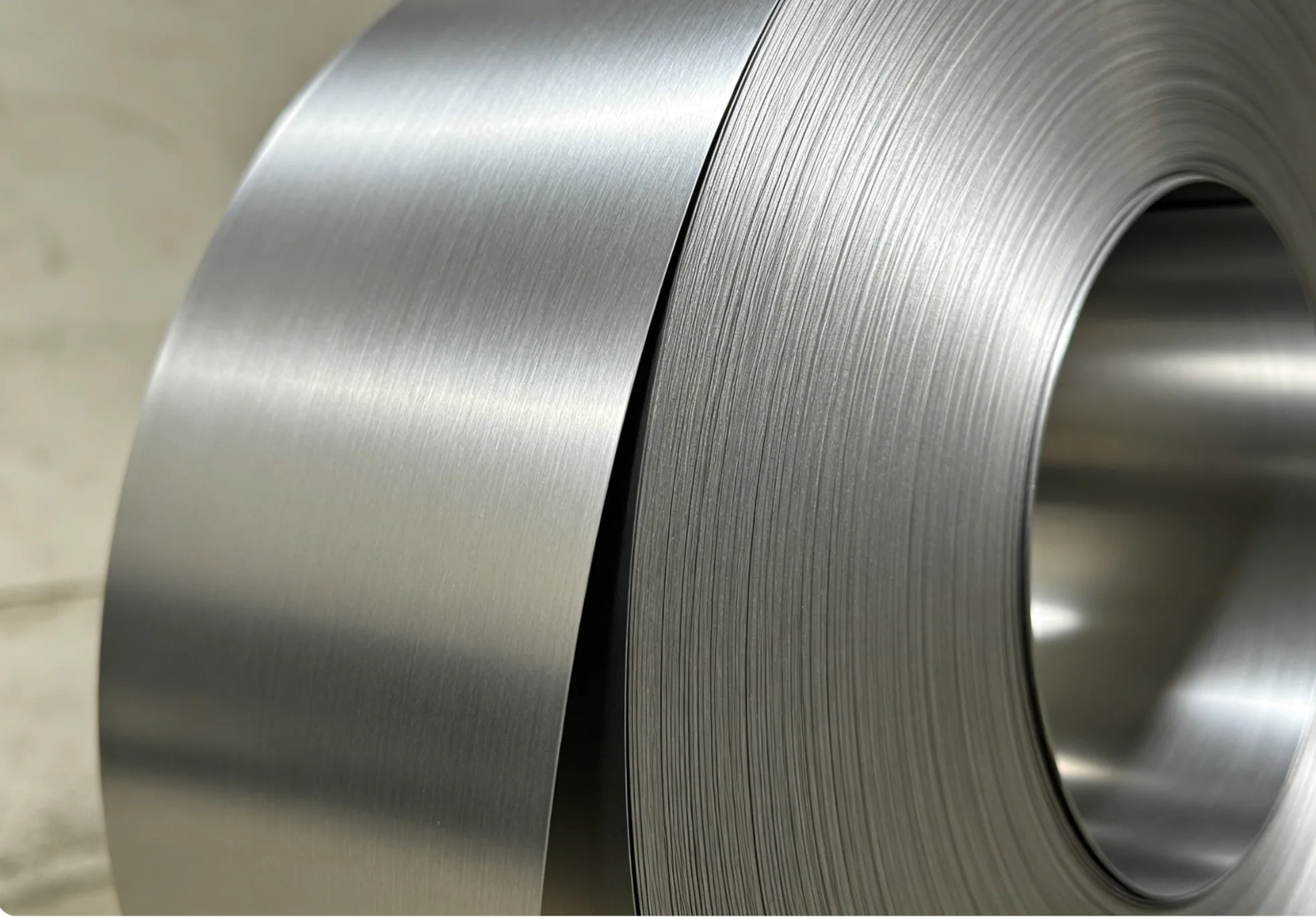
The best heat-spreading strip is defined by a small set of measurable properties. Thermal conductivity is the most obvious, but it is not the only one that matters. Surface quality, thickness tolerance, alloy stability, and compatibility with downstream forming all influence real-world performance.
- Thermal conductivity: supports fast lateral heat transfer.
- Thickness consistency: helps maintain uniform thermal contact.
- Flatness: reduces voids and uneven pressure during assembly.
- Formability: supports stamping, bending, and precision integration.
- Traceability: helps quality teams verify batch consistency.
These factors are especially important in high-frequency communication devices because small defects can create large system effects. A slight warp may increase interface resistance. A small thickness variation may change contact pressure. A batch inconsistency may alter thermal behavior across production lots. Boway’s company profile emphasizes global manufacturing and digital traceability, which are useful when customers need repeatable thermal performance at scale.
| Selection criterion | Engineering question | Typical risk if ignored |
|---|---|---|
| Thermal conductivity | Can heat move fast enough? | Hot spots and throttling |
| Dimensional tolerance | Will the strip fit the package stack? | Assembly variation and poor contact |
| Surface condition | Will interfaces bond consistently? | Higher thermal resistance |
Why Alloy Strip Design Is Different from Simple Metal Foils
An alloy strip is not just a thinner piece of metal. It is an engineered material with controlled composition, mechanical behavior, and processing history. That distinction matters because high-frequency devices need both thermal performance and structural reliability. A simple foil may spread heat, but it may not hold shape, survive repeated cycling, or integrate cleanly into precision assemblies.
Alloy design also allows the material to be tuned for the application. Some devices need more conductivity. Others need more strength or better fatigue resistance. In advanced electronics, the best solution often comes from balancing these properties rather than maximizing one of them. Boway’s main site and precision strip category reflect that broader materials approach, where the strip is selected as part of a system-level thermal design.According to industry estimates, demand for thermal management in electronics is rising as devices become smaller and more power dense. That trend is visible in 6G, semiconductor packaging, and compact communication modules.
The material challenge is no longer simply cooling a device. It is maintaining performance while the package shrinks.
Practical Design Guidelines for Engineers
The most effective thermal design starts with the heat source, not the material catalog. Engineers should first identify where heat is generated, how it moves through the package, and which interfaces create the largest resistance. Only then should they choose the alloy strip thickness, alloy family, and integration method.
- Map the primary heat source and adjacent sensitive components.
- Estimate the required lateral heat spread area.
- Check thickness, flatness, and forming limits for the strip.
- Validate interface bonding and contact pressure.
- Test thermal cycling, warpage, and batch consistency.
This workflow is especially useful in high-frequency communication devices because thermal design and signal design are tightly linked. A stable thermal path can help preserve frequency performance by reducing drift, stress, and mechanical distortion. For teams evaluating supply options, Boway’s semiconductor solutions and high-reliability material solutions provide examples of how precision alloys are matched to demanding industrial use cases.
What Buyers Should Ask Before Specifying a Heat-Spreading Strip
The best procurement decisions are based on application fit, not price alone. Buyers should ask whether the strip can be produced with stable batch-to-batch properties, whether it supports the required fabrication process, and whether the supplier can document traceability. In high-reliability electronics, those factors often matter more than a small cost difference.
They should also ask for thermal test data, forming limits, and dimensional specifications. If the device is part of a high-frequency communication platform, the supplier should understand how thermal behavior affects package stability and long-term reliability. Boway’s global manufacturing footprint and digital traceability model are relevant here because they support supply continuity and auditability across regions.
Conclusion
A high-thermal-conductivity alloy strip enables heat spreading by creating a stable, low-resistance thermal path inside compact electronics. In high-frequency communication devices, that path helps control hot spots, protect package integrity, and support thinner, more reliable designs. As device power density rises, thermal materials are becoming a core part of system performance rather than a secondary detail.
FAQ
1. What is the main role of a high-thermal-conductivity alloy strip in a high-frequency device?
Its main role is to spread heat laterally away from concentrated sources. That reduces peak temperature, lowers thermal stress, and helps maintain stable electrical and mechanical performance in compact communication hardware.
2. Why is heat spreading important in high-frequency communication devices?
Heat spreading is important because these devices often combine high power density with tight packaging. If heat stays localized, it can distort the package, increase resistance, and reduce long-term reliability.
3. How is an alloy strip different from a standard metal foil?
An alloy strip is engineered for controlled thickness, flatness, strength, and process compatibility. A standard foil may conduct heat, but it may not provide the same stability or manufacturing repeatability.
4. What properties should engineers check before choosing a thermal strip?
Engineers should check thermal conductivity, thickness tolerance, flatness, formability, and traceability. These properties determine whether the strip will perform consistently in real assembly and operating conditions.
5. Can a thermal strip improve both reliability and performance?
Yes. A well-designed strip can reduce hot spots, limit warpage, and stabilize interfaces. That improves thermal reliability while also helping preserve signal and package performance in high-frequency systems.